Home Services Advertising That Gets the Phone to Ring
Advertising for HVAC, plumbing, electrical and other home services: urgency vs planned jobs, offers that protect margin, why mail builds trust, the QR-to-call path, and the script after the scan.
- Home services demand splits into urgent jobs and planned jobs; each needs a different ad and a different offer.
- Mail keeps you present in the drawer for the emergency that has not happened yet.
- Waive a fee or add an inspection instead of discounting labor.
- The scan should end in a call or a booked slot, not a contact form.
- Honest proof — license, years, response window — outperforms adjectives.
Who this is for: HVAC, plumbing, electrical, roofing, pest, pool, garage door, and cleaning businesses that sell inside a service radius and live on inbound calls.
A homeowner does not shop for a plumber. They ignore plumbers entirely until water is on the floor, and then they choose in about four minutes from whatever is closest to hand: a magnet, a neighbor's recommendation, a saved page, or the first name they recognize. Home services advertising is the business of being one of those four things before the emergency starts.
Effective home services advertising puts a recognizable, credible name inside a service radius and shortens the path from need to phone call to one tap. Likes do not matter here. Ring volume from the right ZIP codes does.
Urgency versus planned jobs
Urgent work — no cooling in August, a leak, no power in half the house — is won on recall and response speed. The homeowner is not comparing five quotes; they are calling whoever they trust fastest.
Planned work — a system replacement, a re-pipe, a roof, a panel upgrade — is won on trust built over weeks. Here the homeowner does compare, reads reviews, and asks a neighbor. Your ad's job in this case is not to close; it is to earn a place on the shortlist.
| Urgent job | Planned job | |
|---|---|---|
| Decision time | Minutes | Days to weeks |
| What wins | Recall and speed | Trust and proof |
| Best ad focus | Phone number, response window | Credentials, work photos, financing |
| Best offer | Waived diagnostic fee | Free estimate or seasonal tune-up |
| Best action | Tap to call | Tap to book an estimate |
Offers that don't destroy margin
Discounting labor in a trade is a fast way to attract customers who will haggle again next time. Better structures remove a barrier or add a service you can deliver cheaply.
- Diagnostic fee waived when the repair is completed. Removes the risk of paying for nothing.
- Fixed-price seasonal tune-up. Predictable for the homeowner, schedulable for you.
- Free inspection with photos. The photos sell the larger job honestly.
- Threshold discount: an amount off jobs above a value, so small tickets stay whole.
- Priority scheduling for members instead of a price cut.
Why mail still works for trust trades
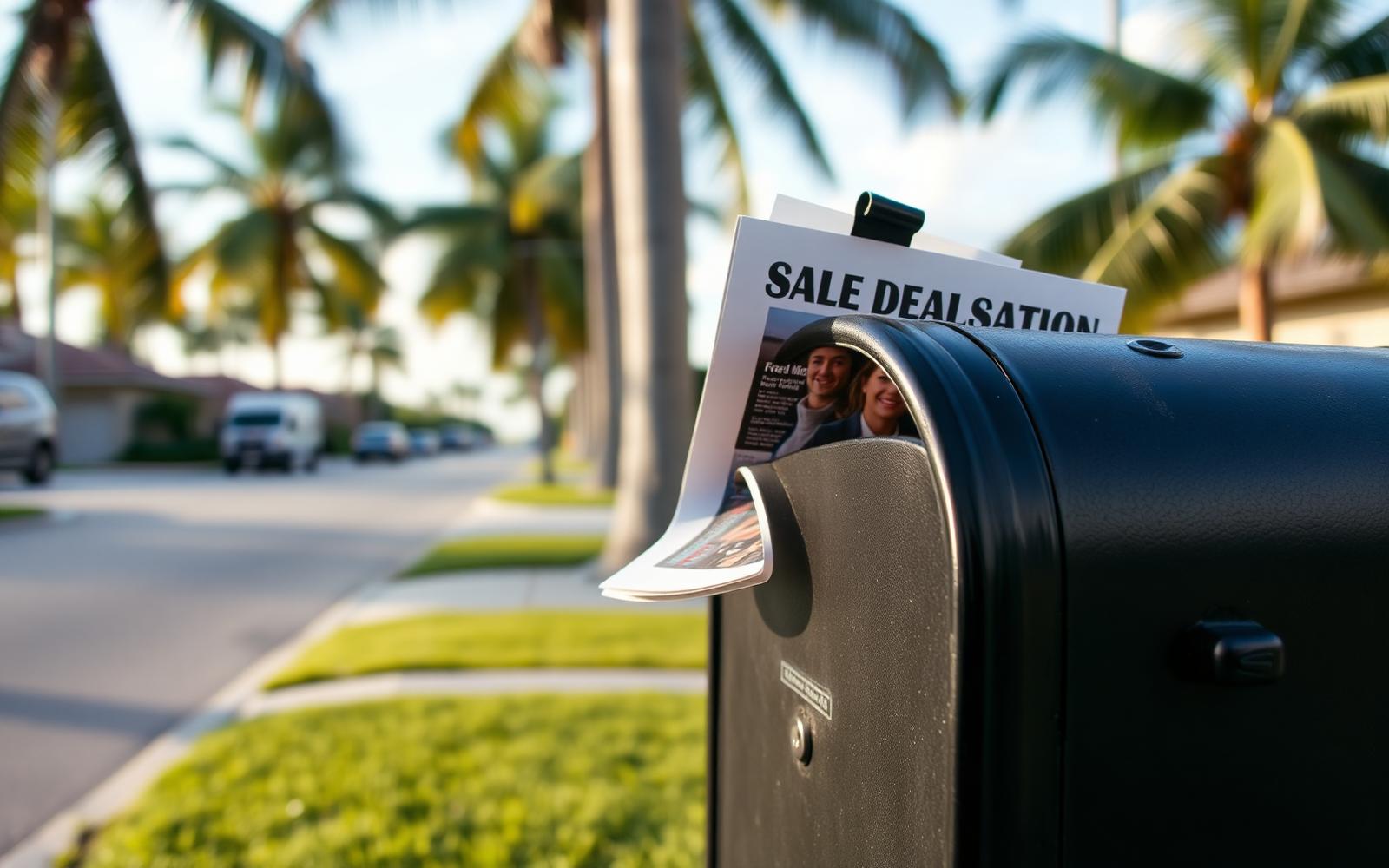
A printed page does two things a feed cannot. It survives — homeowners keep pages and pin them near the fridge. And it signals permanence: a business that appears in a physical local publication reads as established, which matters enormously when you are asking someone to let a stranger into their house.
It also matches how service areas work. You sell to a radius; mail is sold by geography. Nothing is wasted on a homeowner sixty miles outside your dispatch range. The reach model is explained in Direct Mail to 10,000 Homes.
The QR-to-call path
A homeowner standing in a wet hallway will not fill in a form. The scan must end in a phone call or a bookable slot, with as little between as possible.
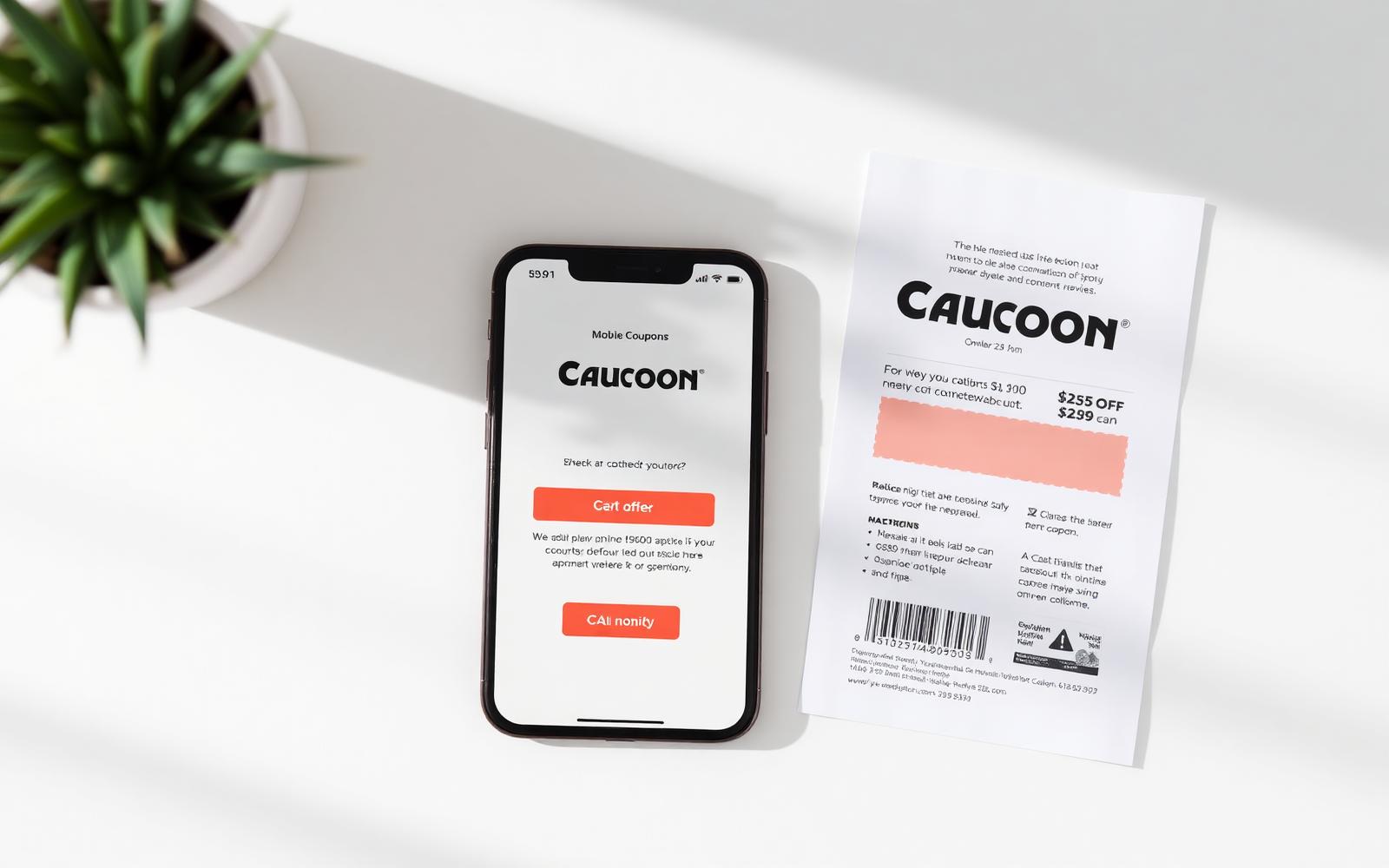
- Scan the offer code on the printed page.
- Offer page opens with the deal and a large call button visible immediately.
- Alternative: book a window without creating an account.
- Service area and hours stated plainly, so nobody calls outside your range.
- Emergency availability, if you offer it, stated as a real window rather than “24/7” if that is not true.
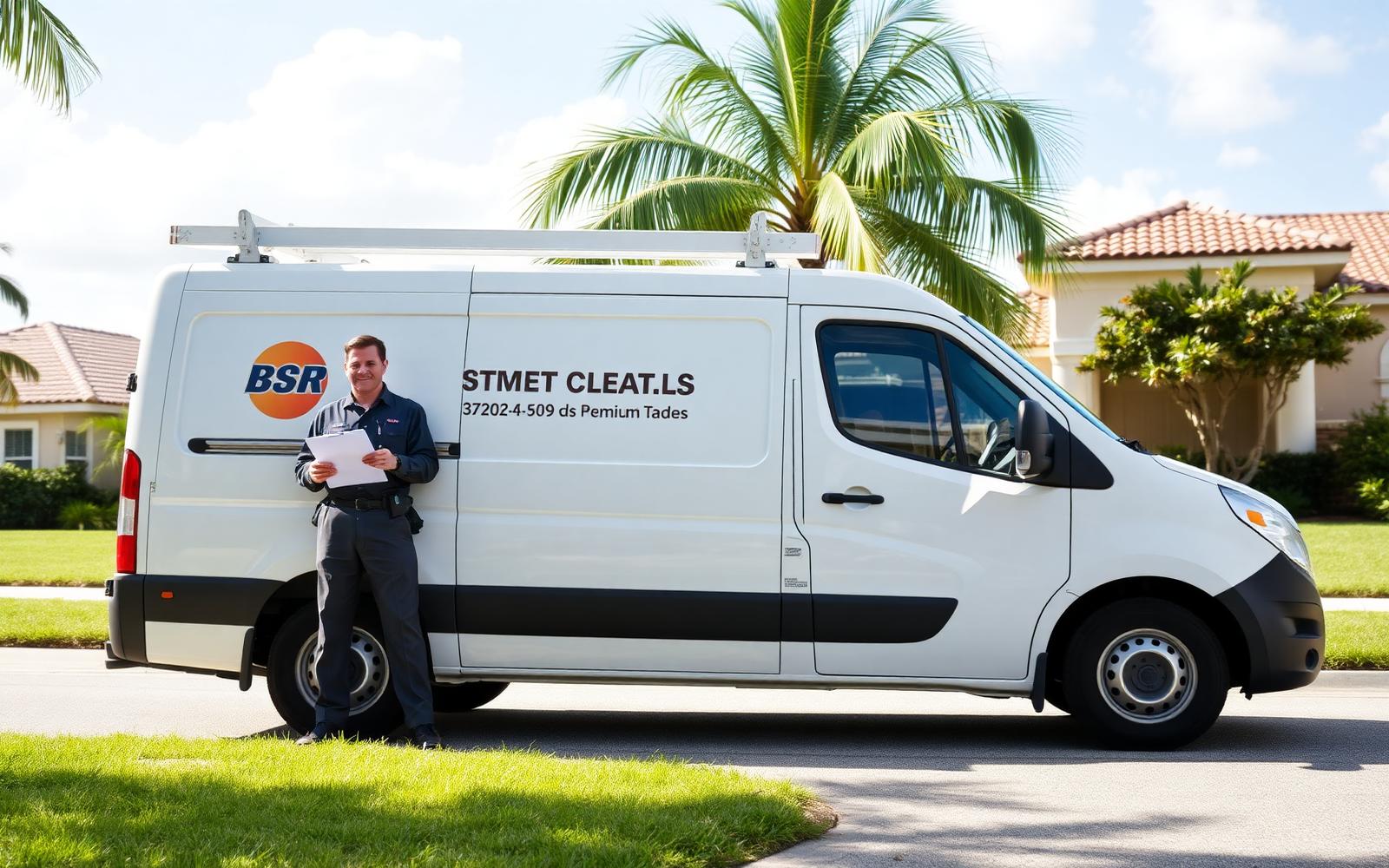
The commercial code on the same page does the trust work: the van, the technician, the uniform, the crew. See Two QR Codes on One Print Ad.
Proof on the ad — honest only
- License number, printed plainly.
- Years in business, if it is a real number.
- Insurance and bonding status.
- Typical response window you can actually hit, not a fantasy.
- Neighborhood names you genuinely serve.
- One before-and-after photo of your own work — never stock imagery for completed jobs.
Every inflated claim gets tested on the first call, and in a neighborhood the correction travels. Understating and over-delivering is a strategy, not a virtue.
The script after the scan
Advertising ends when the phone rings; the next ninety seconds decide whether you got paid. Most trades lose more money to unanswered and badly handled calls than to any media choice.
- Answer within three rings during stated hours; missed calls get returned within fifteen minutes.
- Open with the business name and a person's first name.
- Confirm the address and whether it is inside the service area before anything else.
- Ask what is happening and when it started — two questions, then listen.
- Offer a specific arrival window, not “sometime this afternoon.”
- Confirm the offer they are calling about and repeat its terms.
- Record where they found you before hanging up.
What to do Monday morning
Count last month's missed calls. Fix that first — it is free revenue. Then decide which of your two demand types you need more of, write the one offer that fits it, and put it in front of the ZIP codes your trucks already cover. If you want the geography handled for you, advertise with City Deals. Also read Get Found Locally before the next drop.
Frequently asked questions
What advertising works best for HVAC and plumbing businesses?
Channels that build recall inside a fixed service radius and end in a phone call. Direct mail is strong because it is geographic and physically kept; the printed page should carry a one-tap call path and honest proof such as license number and response window.
What offer should a home services business run?
Waive the diagnostic fee with a completed repair, or sell a fixed-price seasonal tune-up. Both remove risk for the homeowner without discounting labor. Threshold discounts protect small tickets on larger jobs.
Should the ad send people to a form or a phone call?
A phone call for urgent work and a bookable window for planned work. Homeowners with an active problem will not complete a contact form, and every extra field loses calls.
How do trades build trust in an ad?
Concrete, verifiable details: license number, years in business, insurance status, a realistic response window, real photos of your own completed work, and the neighborhoods you actually serve.
How do I know the advertising worked?
Track scans, calls from the offer page, booked jobs, and one intake question about how the caller found you. Compare total spend to booked revenue and to your cost per conversation.
Put your business inside 10,000 local homes.
One printed page, two QR codes, and a digital offer neighbors can use today.
Advertise your business